

AUTHOR
Selva Almada
Argentina, 1973
Selva Almada was born in 1973 in the Entre Ríos Province in Argentina and now lives in Buenos Aires. She emerged on the Argentinian literary scene in 2012 with the short novel The Wind That Lays Waste, an existential work that follows four very different characters whose lives intersect in rural Argentina in the hours before a storm. An unexpected intimacy develops between them as tensions ebb and flow until the storm breaks and challenges their beliefs and allegiances. The book was later adapted into a play, a film, and an opera, and was awarded the Edinburgh International Book Festival First Book Award in 2019. By then, Almada had already gained acclaim in the Western, English-speaking literary world as the feminist writer of Dead Girls, her 2014 unflinching portrait of gender violence in Argentina. The book is a piece of journalistic fiction, the result of Almada’s own personal research into the murders of three teenage girls from the country’s interior provinces in the 1980s, offering a unique entryway into questions of representation and mourning. The ending of the story is devastatingly familiar: the three femicides investigated by Almada went unpunished, just like so many others that don’t get picked up by the media. Ten years later, she published Not a River, a work of tremendous subliminal power that masterfully deploys succinctness and suggestion to maximum effect, getting Almada on the short list for the 2024 Booker Prize. Her work has been translated into 13 languages.
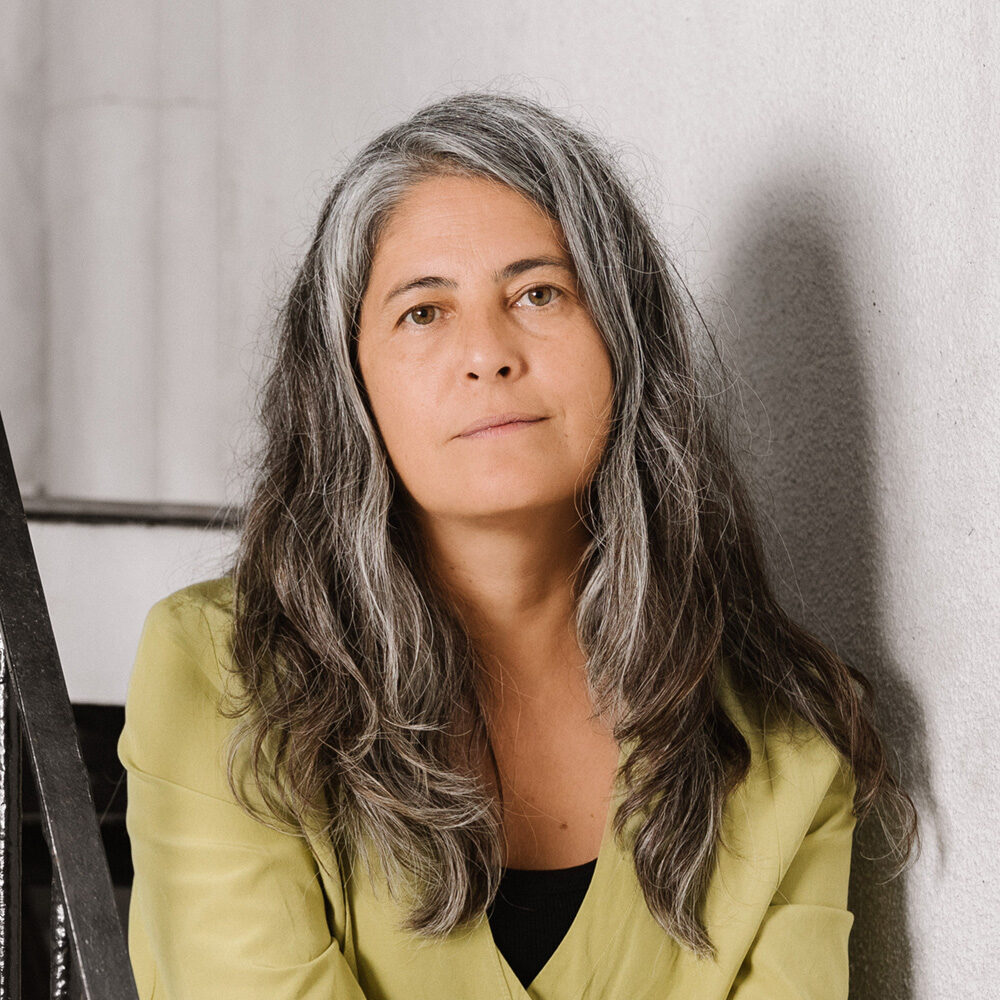
Photo: Federico Paul Penguin Random House
Related Events
No events found.